Comparing Rechargeable vs. Battery-Powered Hearing Aids

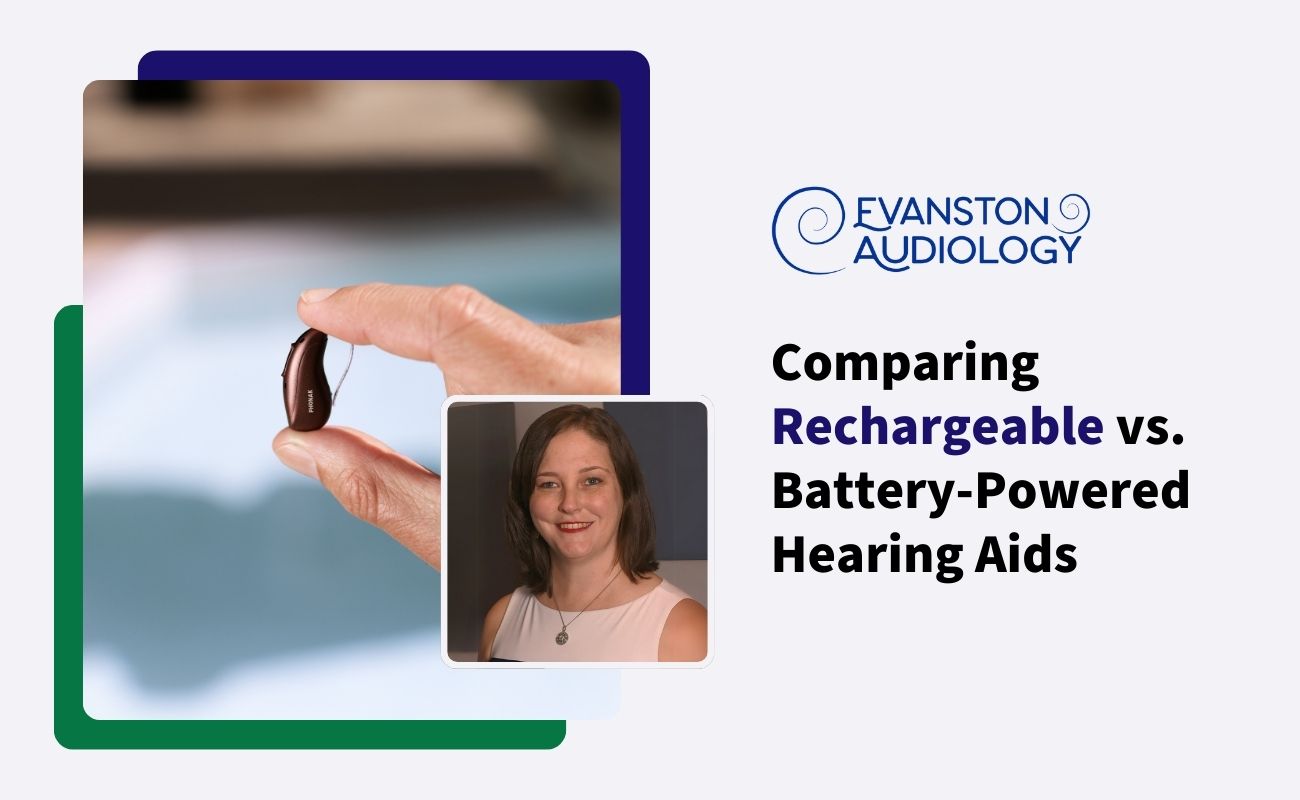
When selecting hearing aids, one of the key decisions you'll face is choosing between rechargeable and battery-powered options. Both power sources offer distinct advantages, and the right choice depends on your lifestyle, dexterity, and personal preferences. Understanding the differences can help you make an informed decision that enhances your daily hearing experience.
Understanding Rechargeable Hearing Aids
Rechargeable hearing aids use built-in lithium-ion batteries that can be recharged using a charging station or case. Modern rechargeable models typically provide a full day of use on a single charge, with many offering 16-30 hours of battery life depending on usage patterns and streaming activities.
The charging process is straightforward. You simply place your hearing aids in their charging case overnight, and they're ready for the next day. Most charging systems include LED indicators that show the charging status, so you know when your devices are fully charged and ready to use.
Many of today's advanced hearing aids come exclusively in rechargeable formats. The ReSound Vivia offers up to 30 hours of regular use on a single charge, while the Phonak Infinio provides 16-18 hours of use per charge. The Starkey Omega AI delivers an impressive 51 hours of power, even with streaming capabilities.
Exploring Battery-Powered Options
Traditional battery-powered hearing aids use disposable zinc-air batteries that come in different sizes, typically labeled as 10, 312, 13, or 675. These batteries are activated when you remove the protective sticker, allowing air to enter and start the chemical reaction that powers the device.
Battery life varies based on the battery size, hearing aid features, and usage patterns. Smaller batteries (size 10) typically last 3-7 days, while larger batteries (size 13 or 675) can last 10-20 days. Some models, like certain configurations of the Signia Pure Charge&Go IX series, offer both rechargeable and traditional battery options.
The main advantage of disposable batteries is their reliability and the ability to carry spares. If your hearing aid stops working, you can simply replace the battery and continue using your device without waiting for a charging cycle.
Convenience and Daily Use
Rechargeable hearing aids excel in daily convenience. There's no need to fumble with small batteries or remember to purchase replacements. Your nighttime routine becomes simple: place your hearing aids in the charger before bed, and they're ready for the next day.
Many rechargeable models include quick-charge features. For example, the ReSound Vivia offers 2.7 hours of use from just a 10-minute charge, while the Phonak Infinio provides 3 hours of use from a 15-minute charge. This can be particularly helpful if you forget to charge your devices overnight.
Battery-powered hearing aids require more active management. You need to monitor battery levels, keep spare batteries on hand, and replace them when they run low. This can be challenging for individuals with limited dexterity or vision difficulties.
Cost Considerations Over Time
While rechargeable hearing aids may have a higher initial cost, they can be more economical over time. Disposable batteries can cost $50-100 annually, depending on your hearing aid's power consumption and battery size. Over several years, these costs add up significantly.
Rechargeable hearing aids eliminate ongoing battery purchases, though the rechargeable batteries will eventually need replacement after several years of use. Most lithium-ion batteries in hearing aids maintain good performance for 3-4 years before showing noticeable decline.
Environmental Impact
Rechargeable hearing aids are more environmentally friendly. A single set of rechargeable batteries can replace hundreds of disposable batteries over their lifetime, reducing waste and the environmental impact of battery production and disposal.
Disposable zinc-air batteries require proper disposal at recycling centers, as they contain materials that shouldn't go in regular household trash. Many hearing aid practices and battery retailers offer recycling programs for used batteries.
Reliability and Backup Options
Battery-powered hearing aids offer greater reliability in certain situations. If you're traveling or in situations where charging isn't convenient, disposable batteries ensure your hearing aids continue working. You can carry spare batteries and replace them anywhere, anytime.
Rechargeable hearing aids depend on access to power sources. Extended travel, power outages, or forgotten chargers can leave you without hearing aids until you can recharge them. However, many modern charging cases include portable charging capabilities that provide multiple charges without needing wall power.
Technology Integration
Today's rechargeable hearing aids often include advanced connectivity features. The Oticon Intent, Phonak Infinio, and ReSound Vivia all offer Bluetooth streaming capabilities, smartphone app control, and other technological features that work seamlessly with rechargeable power systems.
While some battery-powered models also include these features, the power demands of wireless connectivity make rechargeable options more practical for users who frequently stream audio or use smartphone apps to control their hearing aids.
Making the Right Choice for You
Consider your lifestyle and daily routines when choosing between rechargeable and battery-powered hearing aids. If you have a consistent daily routine, good dexterity, and prefer the reliability of disposable batteries, battery-powered options might work well for you.
Rechargeable hearing aids are ideal if you want maximum convenience, have difficulty handling small batteries, or frequently use streaming and connectivity features. They're also beneficial for individuals with arthritis or other conditions that make battery replacement challenging.
At our practice, we use Real Ear Measurements to ensure your hearing aids are precisely calibrated for your specific hearing loss, regardless of which power source you choose. This verification process helps optimize performance and ensures you receive the maximum benefit from your hearing aids.
Professional Fitting Makes the Difference
Whether you choose rechargeable or battery-powered hearing aids, proper professional fitting and ongoing care are crucial for success. Our audiologists work with you to select the right hearing aid technology and power source based on your individual needs, lifestyle, and preferences.
We provide comprehensive training on your chosen hearing aids, including proper charging procedures for rechargeable models or battery replacement techniques for traditional options. Our ongoing support ensures you get the most from your hearing aids throughout their lifespan.
Experience Advanced Hearing Technology at Evanston Audiology
The choice between rechargeable and battery-powered hearing aids is personal, and there's no universally correct answer. We're here to help you weigh the pros and cons based on your specific situation and preferences. Contact our experienced team at Evanston Audiology to schedule a consultation and explore which hearing aid options best match your lifestyle and hearing needs. Together, we'll find the perfect solution to help you stay connected to the sounds that matter most in your life.
Contact us to learn more about our services and hearing aid options.
Office
Visit us at 1811 Benson Ave, Evanston.
Located on the corner of Benson and Clark.
For those traveling on public transportation, we are conveniently located just steps away (600 ft) from the Davis CTA and Pace bus terminal, and Purple Line hub. We are also only 600 ft from the Metra Union Pacific-North (UP-N) Davis stop.
Opening Hours
Holiday Closures
2026: 1 January, 19 January, 25 May, 4 July, 7 September, 26-27 November, 25 December
2027: 1 January